


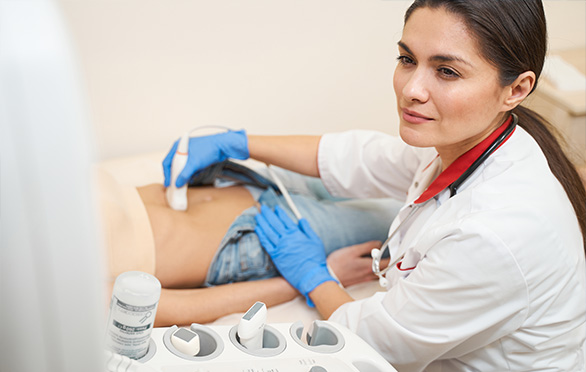
Modern medicine places increasing importance on precise diagnostics and the timely recognition of health problems. High-quality diagnostics enable doctors to better understand patients' health conditions, determine possible causes of ailments, and choose appropriate treatment. The combination of professional examination, laboratory analyses, and other diagnostic procedures represents an important step toward improving healthcare.
How does diagnostics contribute to more successful treatment?
Making a diagnosis is not always a simple process. Certain symptoms can be associated with different health conditions, which is why it is important to look at the patient's overall clinical picture. A correct diagnosis allows for more precise therapy planning and reduces the possibility of unnecessary medical interventions.
Timely diagnostics is especially significant for diseases that may pass without pronounced symptoms in the initial stages. Regular check-ups and appropriate analyses can help in detecting changes before they significantly affect the quality of patients' lives.
Laboratory analyses as support for medical assessment
Laboratory analyses represent an important part of modern healthcare. The results of the analyses can provide information about various functions of the organism, the presence of certain changes, and possible risk factors.
However, a laboratory finding should not be viewed in isolation. Its correct interpretation requires taking into account symptoms, medical history, and other relevant data. Based on the overall results, the doctor assesses whether additional examinations or specific therapeutic procedures are necessary.
Individual approach and patient safety
Every patient has unique health characteristics and needs. Therefore, an individual approach is important for choosing diagnostic methods and planning further treatment. Taking a detailed medical history, talking to the patient, and professional assessment help in understanding symptoms and making medical decisions.
A clear explanation of findings and recommendations contributes to better patient awareness. When they understand their health condition, patients more easily follow recommended procedures and participate more actively in the treatment process.
Prevention of complications through timely reaction
Delaying examinations can lead to later recognition of certain diseases and make their treatment more difficult. Timely reaction to unusual symptoms, regular health check-ups, and adherence to the recommendations of medical experts can contribute to reducing complications.
Special attention should be paid to long-term ailments, changes in health status, and risk factors that require additional monitoring. The decision on necessary examinations and diagnostic procedures should be made in accordance with the individual needs of the patient.
Expertise and quality of healthcare
Quality healthcare implies connecting professional knowledge, appropriate diagnostic methods, and a responsible attitude toward the patient. A precise assessment of health status represents the basis for making decisions that are aimed at timely treatment and the preservation of health.
University Polyclinic Brčko is focused on the importance of a professional approach, quality healthcare services, and the individual needs of patients. Timely diagnostics, appropriate treatment, and continuous care for health are important steps toward a better quality of life.


